TP-Link Tapo C200 Security Cameras Urgently Require Firmware Updates Following Discovery of Critical Zero-Day Vulnerabilities


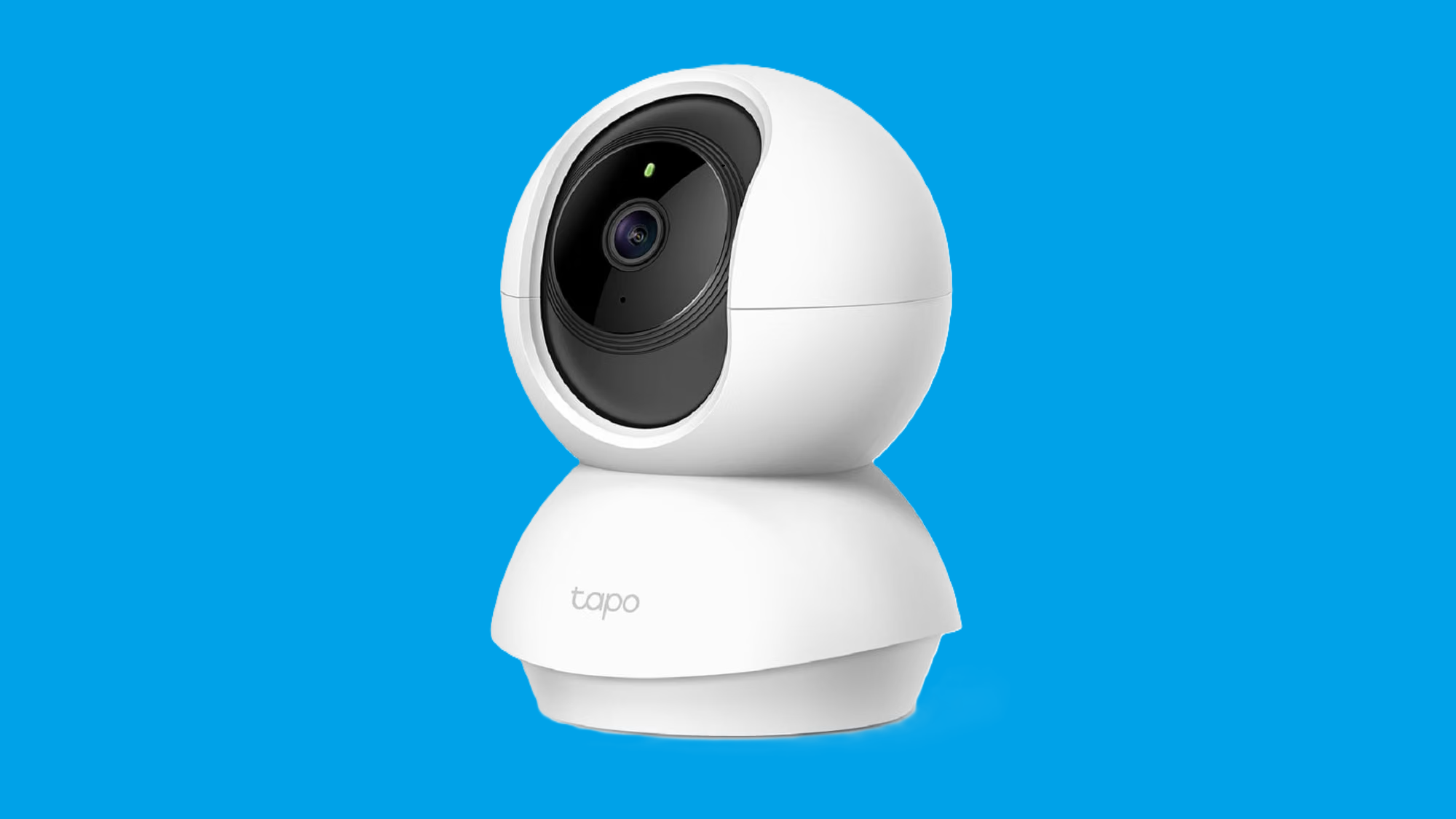
Owners of the widely used TP-Link Tapo C200 home security camera are being strongly urged to update their device firmware immediately following the disclosure of two severe zero-day vulnerabilities. Cybersecurity researchers from OPSWAT publicly revealed details concerning the security flaws, cataloged as CVE-2026-15315 and CVE-2026-15316, which could potentially permit malicious actors to bypass standard security controls, gain unauthorized administrative access, and covertly spy on unsuspecting users within the same network environment.
Given that these specific smart home cameras are frequently deployed in highly sensitive residential locations—such as nurseries functioning as baby monitors or central hallways acting as home intrusion detectors—the discovery has raised significant privacy and safety concerns among consumer advocacy groups and cybersecurity professionals alike.
Anatomy of the Vulnerabilities: How the Flaws Work
The two vulnerabilities identified by the OPSWAT research team target the foundational authentication and authorization mechanisms of the TP-Link Tapo C200 camera firmware. Specifically, CVE-2026-15315 and CVE-2026-15316 function as authentication bypass and potential denial-of-service (DoS) vectors.
According to technical breakdowns provided by OPSWAT, a malicious actor equipped with local network access can exploit these flaws to compromise the device without needing to know, crack, or recover the legitimate administrator password. Once the exploit is successfully executed, the unauthorized user attains full administrative privileges over the device.
"The resulting administrative access enables the attacker to invoke privileged management functions, modify device configuration, and perform operations that would normally require authorized administrator access," OPSWAT explained in its official advisory blog post.
In real-world terms, this level of access goes far beyond merely disabling a device or disrupting a connection. An intruder who successfully leverages these zero-day exploits can tap directly into live video feeds, view stored local recordings on inserted MicroSD cards, alter camera angles via pan-and-tilt controls, and potentially use the compromised camera as a pivot point to explore and attack other connected devices residing on the same local area network (LAN).
Chronology of the Disclosure and Remediation
The timeline surrounding the identification, notification, and patching of CVE-2026-15315 and CVE-2026-15316 underscores the critical importance of responsible disclosure protocols within the modern Internet of Things (IoT) ecosystem.
- August 17: TP-Link officially releases firmware version V5-1.4.6 Build 260709, specifically engineered to remediate the authentication bypass and management flaws discovered during internal and external testing.
- Late August to September: Cybersecurity firm OPSWAT formally publishes its research findings, bringing public awareness to the zero-day vulnerabilities affecting the Tapo C200 hardware line.
- Present Day: Security agencies and tech publications ramp up advisories urging all active users of the affected hardware revision to apply the patch immediately through the companion mobile application.
Official Responses and Manufacturer Action
Upon being notified of the vulnerabilities by security researchers, hardware manufacturer TP-Link moved swiftly to address the flaws. A company spokesperson issued a formal statement emphasizing the brand’s commitment to consumer privacy and device security.
"TP-Link Systems Inc. takes the security of our products and the privacy of our customers very seriously," the spokesperson stated. Upon being made immediately aware of the findings by researchers, the development team investigated the technical specifics of the vulnerabilities and engineered the targeted firmware updates now rolling out globally.
Security experts have praised the rapid turnaround time between the discovery of the zero-day flaws and the deployment of the corrective firmware patch, noting that prompt manufacturer response is vital in mitigating widespread exploitation in the consumer IoT market, where devices often remain unmonitored or unpatched for months.
Step-by-Step Guide: How to Secure Your Tapo C200 Camera
To ensure protection against potential exploitation of CVE-2026-15315 and CVE-2026-15316, device owners must verify that their hardware is running the correct, patched firmware version. Specifically, users need to update their devices to firmware version V5-1.4.6 Build 260709 or later.
The update process can be completed easily through the official Tapo mobile application by following these standard steps:
- Ensure your smartphone or tablet is connected to your home Wi-Fi network and that the Tapo app is updated to its latest version via the Apple App Store or Google Play Store.
- Open the Tapo application and log in to your registered user account.
- Locate your Tapo C200 camera on the primary device dashboard list.
- Tap the camera feed to open its live view, then select the gear icon in the top right corner to access the Camera Settings menu.
- Scroll down to locate and select the "Firmware Update" option.
- If an update is available, follow the on-screen prompts to download and install version V5-1.4.6 Build 260709.
Users experiencing difficulties or seeking manual installation files can visit the official Tapo C200 Support and Downloads page on TP-Link’s web portal for troubleshooting guides and direct firmware assistance.

Broader Industry Context: TP-Link Amid Regulatory Pressures
The discovery and subsequent patching of these vulnerabilities occur against a complex backdrop for TP-Link as an enterprise. Beyond its extensive portfolio of smart home cameras, smart plugs, and lighting products, the company is widely recognized as a dominant player in the consumer and commercial networking sector. TP-Link routers and hardware account for roughly 6% of the United States router market, anchoring countless home and small-office networks.
However, the company’s broader operations face increasing regulatory scrutiny and market headwinds. TP-Link is currently navigating the operational implications of evolving federal policies, including Federal Communications Commission (FCC) considerations and prospective bans concerning foreign-manufactured networking equipment. Despite these regulatory challenges, the company continues to innovate within its core product lines; industry analysts recently gained a preview of TP-Link’s forthcoming Wi-Fi 8 routers, which promise substantial generational leaps in wireless range, connection reliability, and data throughput.
Implications for the Consumer IoT Landscape
The discovery of high-severity authentication bypass flaws in a mainstream product like the TP-Link Tapo C200 serves as a stark reminder of the inherent vulnerabilities embedded within modern smart home ecosystems. As connected devices become increasingly ubiquitous, transforming residential spaces into interconnected digital environments, they simultaneously expand the potential attack surface available to malicious threat actors.
Consumer devices designed for surveillance and monitoring—such as IP cameras, smart doorbells, and baby monitors—remain prime targets for cybercriminals seeking unauthorized access to private domestic spaces. The potential fallout from an unpatched camera breach extends far beyond financial data theft, striking directly at the core of personal privacy and physical safety.
Security analysts consistently recommend several foundational best practices to harden smart home networks against potential intrusions:
- Enable Automatic Updates: Whenever supported by the hardware, configure smart devices to download and apply firmware updates automatically.
- Isolate IoT Devices: Place smart home gadgets, security cameras, and connected appliances on a segregated Guest Wi-Fi network separate from primary computers, network-attached storage (NAS) drives, and devices containing sensitive personal data.
- Strengthen Authentication: Utilize strong, unique passwords for device management portals and enable multi-factor authentication (MFA) on all associated cloud accounts wherever available.
- Regularly Audit Connected Hardware: Periodically review the list of devices active on your home network router administration page to detect and remove any unrecognized connections.
By adhering to these proactive security measures and promptly applying the latest firmware patch (V5-1.4.6 Build 260709), Tapo C200 owners can effectively neutralize the risks posed by CVE-2026-15315 and CVE-2026-15316, safeguarding both their personal privacy and their home network integrity.